
Table of Contents
Introduction
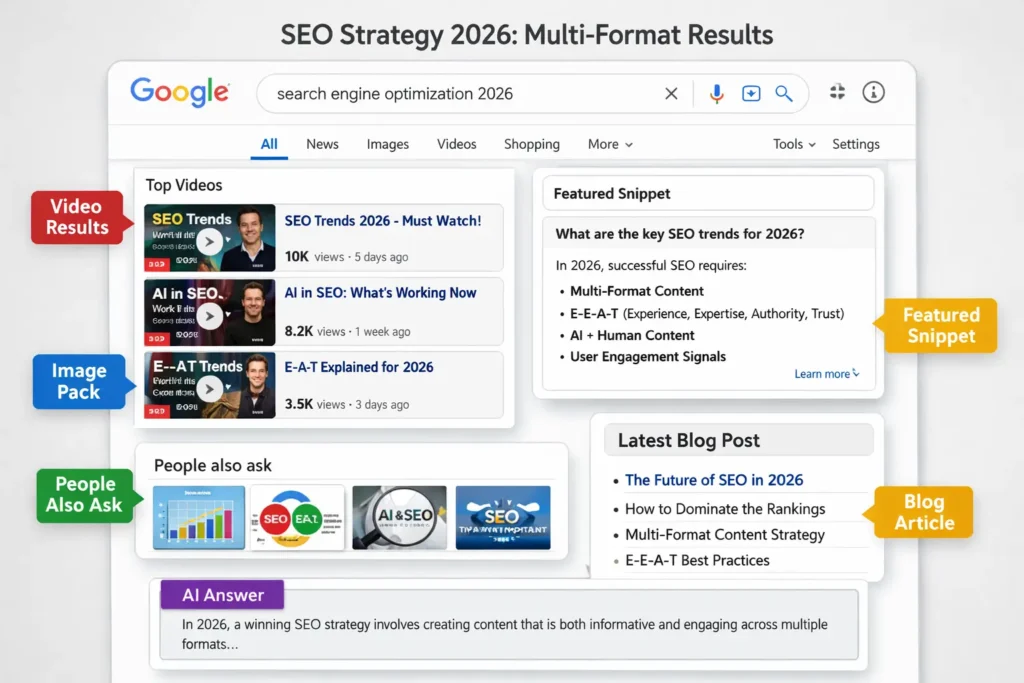
What if I tell you that in 2026, most websites are not failing because of backlinks… they are failing because they don’t understand what Google really wants?
Every day, small business owners, freelancers, and new website creators publish content. They use keywords. They read random SEO tips. They wait for traffic. But months pass and nothing happens. Their website is either not ranking at all or stuck on page 2.
So what is really happening behind the scenes? Why do some websites improve Google rankings within 3–6 months while others struggle for years? When should you expect results? And who should actually follow a structured SEO strategy instead of shortcuts?
This guide is written clearly for small business owners who don’t want to spend money on ads, new website owners (0–6 months old), freelancers, bloggers, and service-based businesses who want to increase organic traffic in a smart and practical way. If you want a real first page ranking guide for 2026, this is for you.
2026 Perfect Ranking Strategy
Search Intent First The Real Game Changer
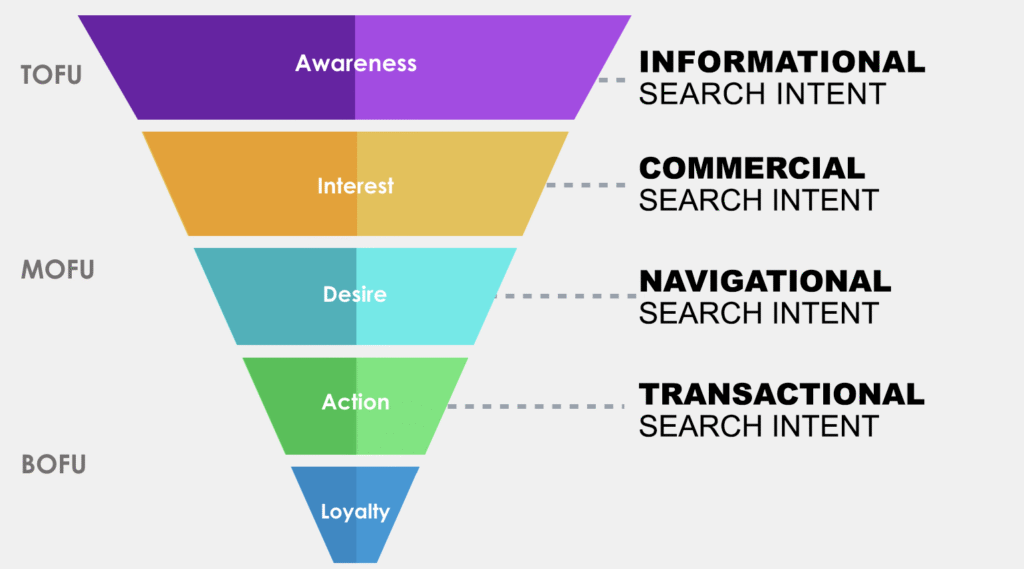
In 2026, Google ranking factors are more focused on search intent than ever before. Google is not just reading your keywords. It is trying to understand what problem the user wants to solve and whether your page gives a complete solution.
If someone searches “how to rank website on Google,” they are not looking for a 500-word article with basic tips.
They want clarity, steps, timeline, examples, and maybe even mistakes to avoid. If your blog does not fully answer the question, Google will simply rank someone else higher.
Instead of asking “Which keyword should I use?”, start asking, “What does the user really want?” That shift alone can improve Google rankings faster than most technical tricks.
To apply this practically:
Search your main keyword on Google
- Study top 5 ranking pages
- See what topics they covered
- Make your content deeper and more useful
One blog should feel like a complete guide, not a short summary
EEAT: Why Trust Matters More Than Ever
EEAT stands for Experience, Expertise, Authority, and Trust. In simple words, Google wants to rank content written by people who actually know what they are talking about.
In 2026, generic content does not survive long. If your article sounds like everyone else’s article, it will struggle. But when you add real examples, real numbers, and real processes, your content becomes stronger.
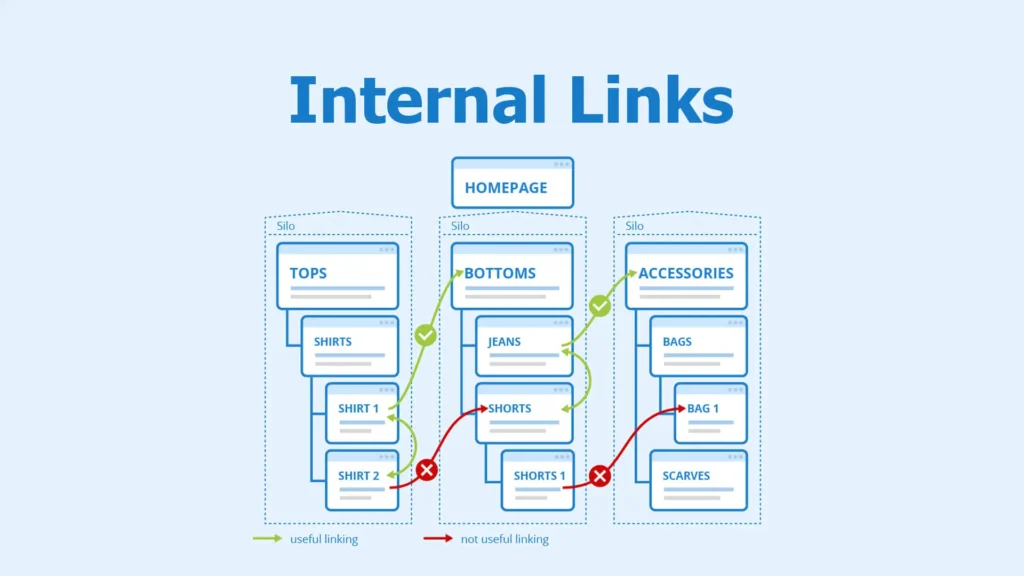
For example, instead of writing “internal linking helps ranking,” explain how you improved your internal linking strategy and what happened after 30 or 60 days. Even small real data builds trust.
You can strengthen EEAT by:
- Adding real case examples
- Sharing step-by-step process
- Showing traffic growth (if possible)
- Writing clear author information
Trust increases long-term ranking stability.
Topical Authority Stop Writing Only One Blog
Many websites fail because they write one article and expect magic. But Google prefers websites that cover a topic deeply.
If your main topic is fast SEO strategies, you should also create related content like SEO for new website, SEO for small business, service based website SEO, rank WordPress website fast, and local SEO ranking tips. When all these articles connect through internal linking strategy, Google sees you as serious and consistent.
Topical authority means you are not just touching a topic. You are owning it.
This approach helps:
- Improve search engine ranking
- Increase organic traffic steadily
Build stronger website authority
Smart On Page SEO Keep It Clean
Over-optimization is dangerous in 2026. Using your primary keyword again and again will not help. Google understands context now.
Your on page SEO checklist should be simple and clean. Use one H1. Keep proper H2 and H3 structure. Write short paragraphs. Add FAQs. Use LSI keywords naturally. Focus on readability.
When content is easy to read and clearly structured, users stay longer. And when users stay longer, rankings improve naturally.
CTR Optimization Ranking Is Not Enough
Many people think ranking is the final goal. It is not. If your page appears in search results but nobody clicks, Google will notice.
Your title and meta description should make users curious. Adding numbers, adding the year 2026, and using clear words can increase clicks.
For example:
- 7 Fast SEO Strategies That Work in 2026
- How to Improve Google Rankings Without Backlinks
- First Page Ranking Guide for Small Businesses
Better CTR sends a strong positive signal.
Website Type Specific SEO Strategy
SEO for New Website
If your website is 0–6 months old, patience is important. New domains need time to build trust. Focus on low competition keywords and long tail queries. Publish consistent, high-quality content. Improve technical SEO optimization and website speed optimization.
Results usually start showing between 3 to 6 months if you stay consistent.
SEO for Small Business
Small businesses should focus strongly on local SEO ranking tips. Location-based keywords, optimized service pages, and Google Business Profile can help rank faster in local results. Organic traffic from local search often converts better than general traffic.
Service-based businesses should create separate pages for each service instead of combining everything into one page. Add FAQs, real examples, and clear problem-solving content. This structure improves both user experience and ranking.
Common Problems and How to Fix Them
If your website is not ranking, check search intent first. Many times, the issue is not backlinks but content depth. If your website is stuck on page 2, you are very close. Updating the content, improving internal linking, and optimizing CTR can push it to page 1.
Slow Google indexing can happen if your internal linking is weak or your website has technical issues. Submitting sitemap and regularly updating content helps.
If you see a ranking drop, do not panic. Check recent updates, improve content quality, and fix technical issues step by step.
90-Day Practical Plan
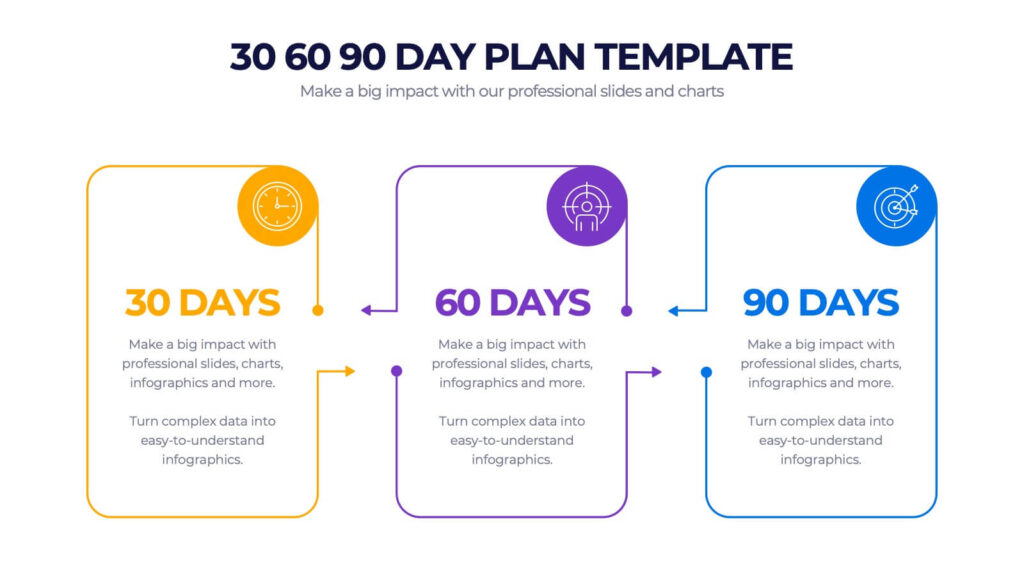
In the first 30 days, focus on technical SEO optimization, keyword research strategy, and publishing 4–5 strong articles. In the next 60 days, build topical authority by adding more related content. By 90 days, start updating old content and improving CTR.
Consistency is more powerful than shortcuts.
Final Thoughts
If you truly want to rank website fast in 2026, focus on solving real problems, building trust, improving structure, and staying consistent. SEO is not about tricks anymore. It is about clarity and value.
When you follow search intent, strong EEAT, topical authority, smart on page SEO optimization, and CTR improvement strategies together, you create a strong foundation that helps you improve Google rankings and increase organic traffic naturally.
And if you need a structured roadmap, practical implementation guidance, and long-term organic growth strategy, GlowGrowSEO can help you turn these principles into measurable results.